The 'After-Holiday' Budget Reset: 5 Steps to Bounce Back from Festive Spending.
- Dec 5, 2025
- 4 min read
Feeling the pinch after a season of cheer? You're not alone. This simple 5-step guide helps you quickly assess your holiday spending, create a realistic repayment plan, and reset your budget for a financially healthy new year.

Hey there!
The holidays can bring a whole lot of joy, but sometimes those joy-filled moments come with a hefty price tag. Maybe you bought a few extra gifts, splurged a bit too much on hosting, or those travel costs were higher than expected. When the credit card statements start rolling in, it’s easy to feel a little sinking feeling. But don't stress! You had fun, you made memories, and now it's time to treat this spending like any other expense: with a smart, proactive plan. Forget the guilt; let’s dive into your Five-Step Budget Reset to get you back on track for a successful new year.
Step 1: Face the Music (aka, Assess the Damage)
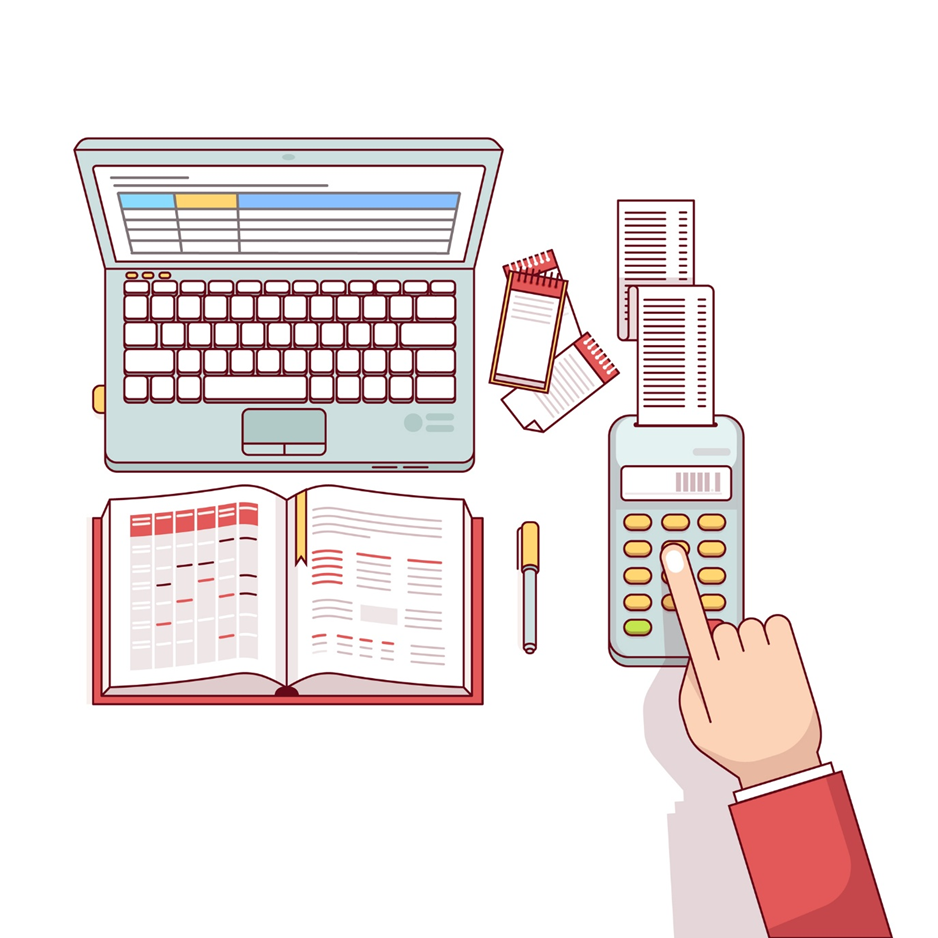
The first, and often hardest, step is simply looking at the numbers. You can’t fix what you don’t know. Grab your bank statements, credit card bills, and receipts. I know it's tempting to shove them in a drawer, but take a deep breath and total up exactly what you spent over your budget. Look for specific categories—gifts, travel, food, decorations—to see where the bulk of the damage occurred. Once you have this clear, honest picture of your total overspending, you can move forward without guessing.
Step 2: Hit the Brakes with a No-Spend Mini-Challenge
After that initial look at your spending, it's time for a quick detox. Not saying you need to live like a hermit for a year, but a no-spend week or even a "low-spend" month is an amazing way to quickly free up cash. Commit to only buying absolute necessities: rent, utilities, minimum debt payments, and groceries. Challenge yourself to use up what's in your pantry, skip the takeout, and cancel a streaming service you don’t use. You'll be surprised how quickly this frees up funds that can be immediately redirected to Step 3.
Step 3: Tackle Debt with a Strategic Pay-Off Plan
Okay, this is where we get strategic. You have two main methods for paying down any new high-interest debt, and you just have to pick the one that works best for your personality:
The Debt Avalanche: This is the most cost-effective method. You focus all your extra payments on the debt with the highest interest rate first, while making minimum payments on the others. Once the highest-rate debt is gone, you move to the next highest. You save the most money on interest this way.
The Debt Snowball: This is all about motivation. You focus on paying off the debt with the smallest balance first. When it’s paid off, you take the money you were paying on it and "roll" it into the payment for the next smallest debt. Seeing those small wins pile up is incredibly motivating.
Pick a method, create a plan, and always pay more than the minimum payment. Even an extra $20 makes a difference.
Step 4: Automate Your New Year's Savings Goals
The new year is the perfect time to build a financial fortress, and that starts with your savings. If you had to dip into your emergency fund for the holidays, Step 1 is to replenish it. If your savings are fine, Step 1 is to set up a dedicated “Holiday Fund’ for next year. The key word here is automate. Set up an automatic transfer for a set amount to move from your checking to your savings the day after every payday. Out of sight, out of mind, and you'll be building your cushion effortlessly.

Step 5: Protect Next Year's Budget with a "Sinking Fund"
You're a forward thinker, which is why we're doing this in December. The single best way to protect yourself from post-holiday financial stress next year is to start saving now. Set up a separate, dedicated savings account (a "sinking fund") just for your 2026 holiday expenses. Take what you spent this past holiday season, divide that total by 12, and start automatically setting aside that amount every single month. By the time November rolls around next year, you’ll have a full budget ready to go, and you’ll get to actually enjoy the holiday season without the financial hangover.
Getting your finances back on track after the holidays is empowering. You’ve closed the door on last year's spending, created a smart strategy for paying off any new debt, and, most importantly, you’ve put protections in place for the future. By following these five steps, you’re setting yourself up for a financially stress-free 2026. Now go make a cup of tea, stick to your new budget, and watch your progress soar.
For more information, check out these sources:
Consumer Financial Protection Bureau (CFPB): The CFPB has excellent, unbiased tools and guides for understanding your credit report and managing debt.
National Endowment for Financial Education (NEFE): NEFE offers free financial education resources and courses that can help users build a comprehensive long-term budget.
Kiplinger: A well-respected name in personal finance, Kiplinger’s website often has great, actionable articles on debt strategies, budgeting apps, and savings plans.
Investopedia: The Debt Avalanche vs. Snowball method, see which debt repayment strategy works best.
Which of the five steps are you tackling first? Share with us in the comments below.


Comments